A research-led UX improvement that took a platform engineers struggled to use (SUS 30.4 — "unacceptable") and transformed it into one they recommend (SUS 80.3 — "excellent") through rigorous audit, remote contextual inquiry, and 40+ targeted design changes.

PIDGraph is an AI-powered platform used by industrial engineers to digitize paper-based P&ID drawings. The AI converts hand-drawn technical drawings into accurate digital versions. But when the AI output was incomplete or incorrect, engineers had no efficient way to fix it manually.
The result: a platform with enormous potential actively frustrating its core users. My brief was to understand exactly where it was failing and design a solution that gave engineers back control.
Before speaking to any users, I conducted a thorough heuristic evaluation against Nielsen's 10 usability principles, benchmarked against three competitor tools. This built platform fluency and created stakeholder-ready evidence for why user research was necessary. This process also helped to structure the protocol of Contextual Inquiry for later.
I chose remote contextual inquiry deliberately over lab-based usability testing. P&ID work is deeply context-dependent — engineers work with large second monitors and reference physical drawings alongside the digital tool. A decontextualized lab session would have missed half the story.
Affinity mapping surfaced three dominant themes across all five participants:
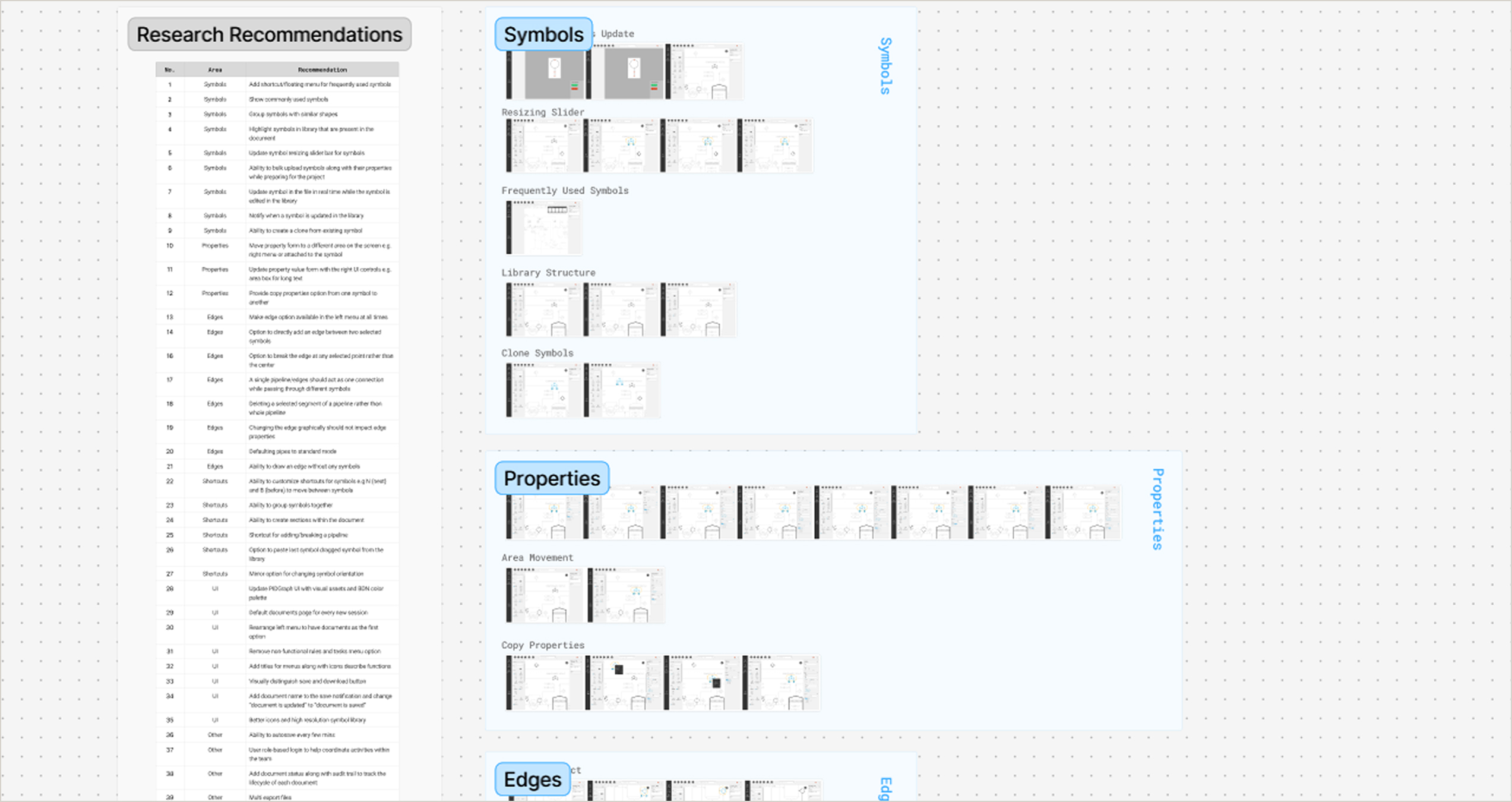
Research synthesis produced 41 specific design changes — each grounded in a finding from the audit or user sessions. Organized across 6 feature areas before handoff to engineering.
Each of the 6 areas was prototyped end-to-end before handoff. Below is the full output map — followed by three decisions where you can see the reasoning behind the design.
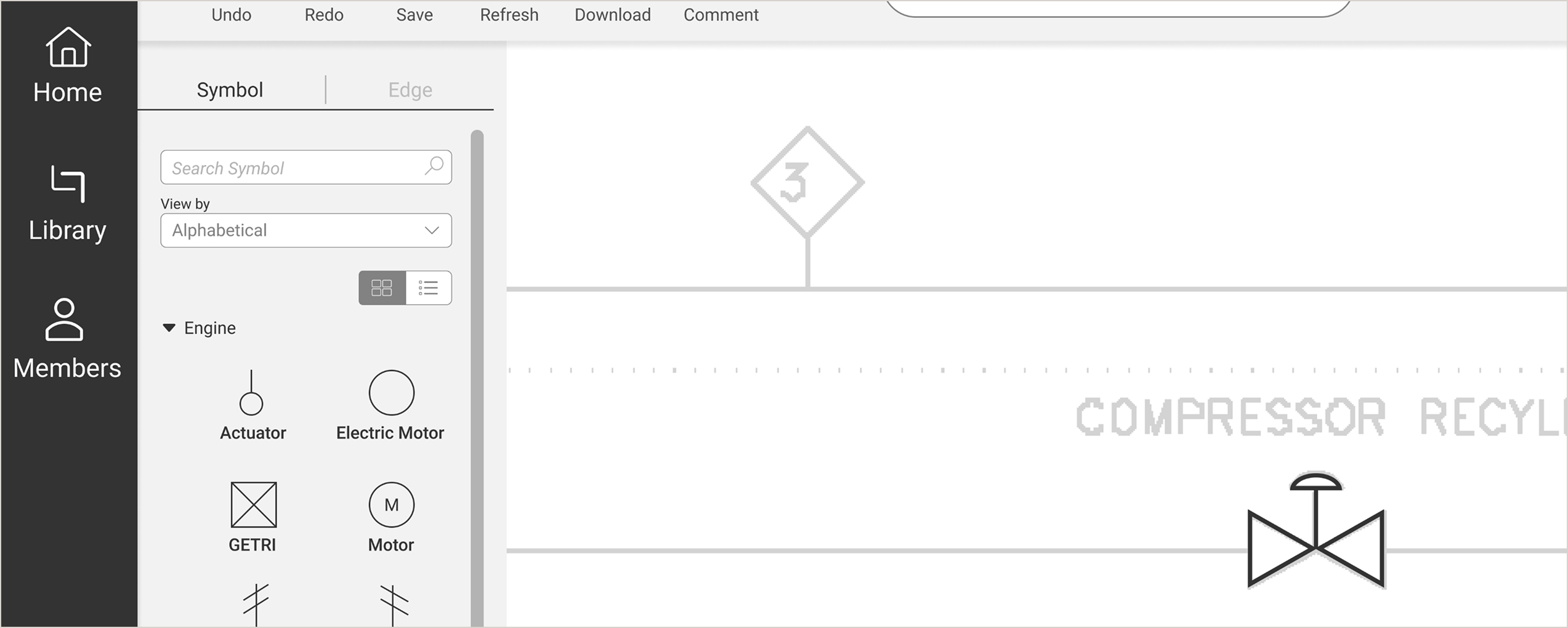
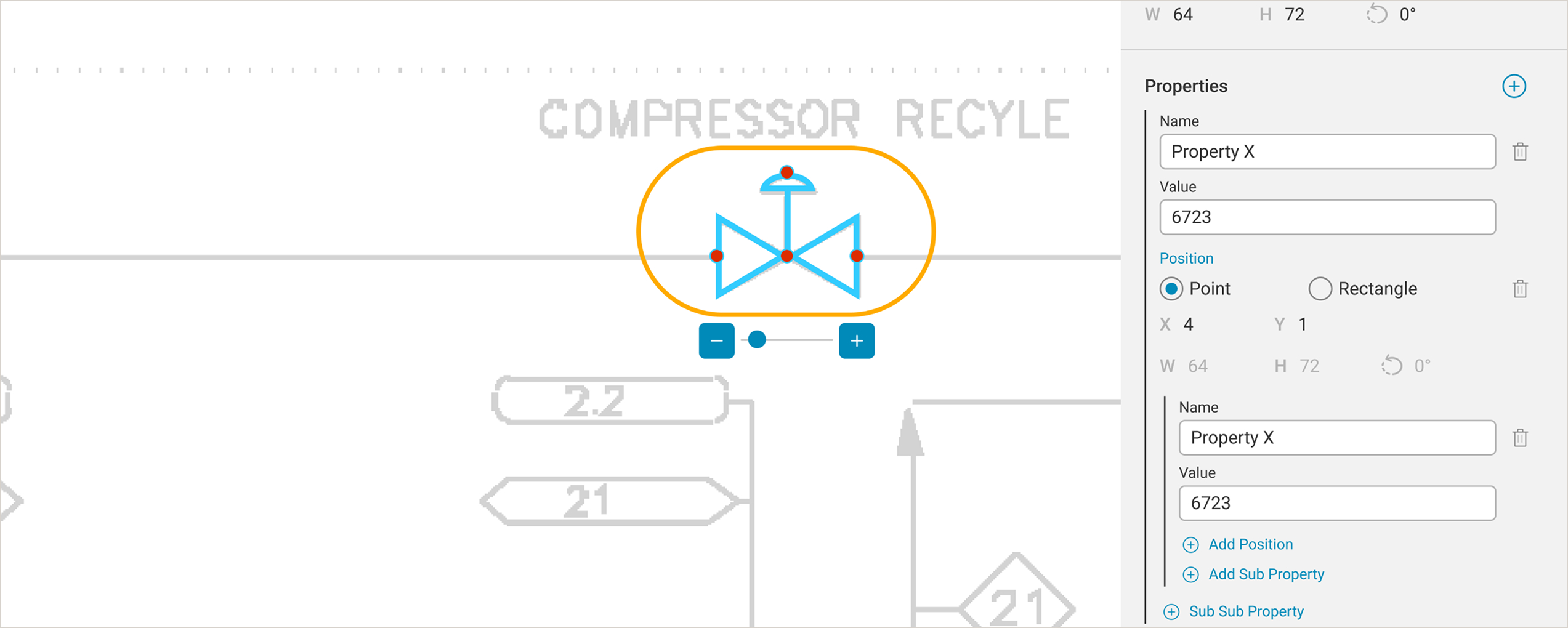
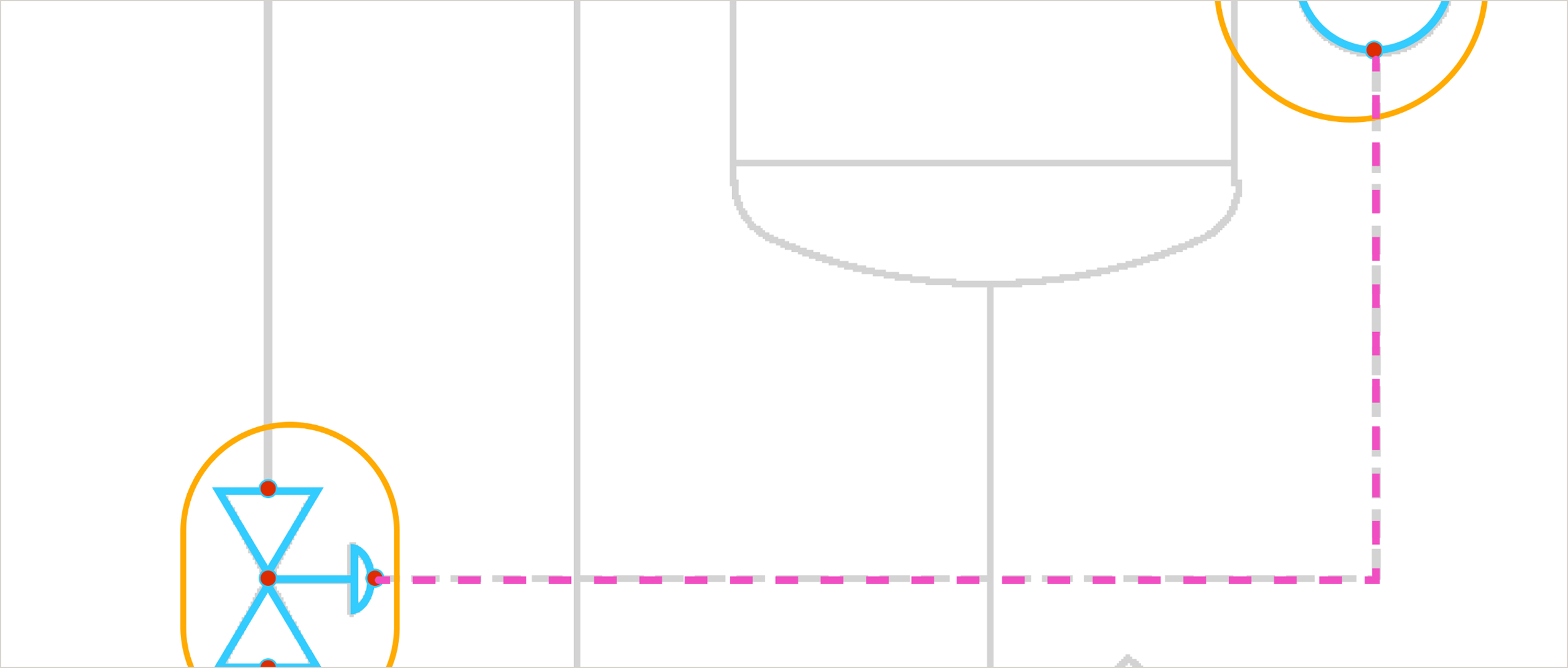
Four decisions where the research finding, design problem, and solution form a clear chain.
The validation study used identical tasks, identical metrics, and the same five participants. Methodological consistency was deliberate — it's the only way to make before/after comparisons credible.
Moving from SUS 30 to 80 means crossing from "unacceptable" to "excellent." 18 errors reduced to 1 — near-elimination of the failure modes identified in the audit.